Physical Address
304 North Cardinal St.
Dorchester Center, MA 02124
Physical Address
304 North Cardinal St.
Dorchester Center, MA 02124


AI tools are transforming how businesses operate—and they’re also creating one of the most sustainable affiliate income opportunities of the decade. This in-depth guide explains how AI affiliate marketing works, why SaaS tools pay recurring commissions, and how bloggers and creators can build long-term monthly income by promoting AI software the right way in 2026.
If you’ve been paying attention to how fast artificial intelligence tools are being adopted across the U.S., Canada, and Europe, one thing becomes clear very quickly: this is not a temporary tech trend. In 2026, AI affiliate marketing is sitting at the intersection of two powerful forces subscription-based software and businesses desperate to save time, cut costs, and stay competitive.
Unlike traditional “make money online” models that rely on one-time sales or unstable ad revenue, AI tools are built on monthly subscriptions. That means when someone signs up through your link and keeps using the tool, you continue earning. For professionals between 30 and 55 people juggling careers, families, or existing businesses this model makes sense. It’s not about chasing viral hacks; it’s about building something stable.
What’s driving this surge is simple: AI software has moved from “nice to have” to “mission critical.” Content creators rely on AI writers. Agencies depend on automation tools. Small businesses use AI for customer support, marketing, and analytics. As adoption grows, so does the opportunity for AI affiliate marketing to generate long-term income.
According to McKinsey’s AI adoption research, over 70% of businesses in North America now use some form of AI in daily operations, and that number continues to rise year over year. This level of demand creates a rare opportunity especially for bloggers and educators who focus on step-by-step guidance instead of hype.
This guide is designed to show you how to position yourself on the educational side of the AI boom where trust, clarity, and consistency matter far more than flashy promises.
AI affiliate marketing isn’t about chasing trends—it’s about educating businesses on tools they already plan to pay for every month.
To understand why AI tools are dominating affiliate earnings, you have to look at how SaaS businesses make money and why they’re willing to pay affiliates generously.
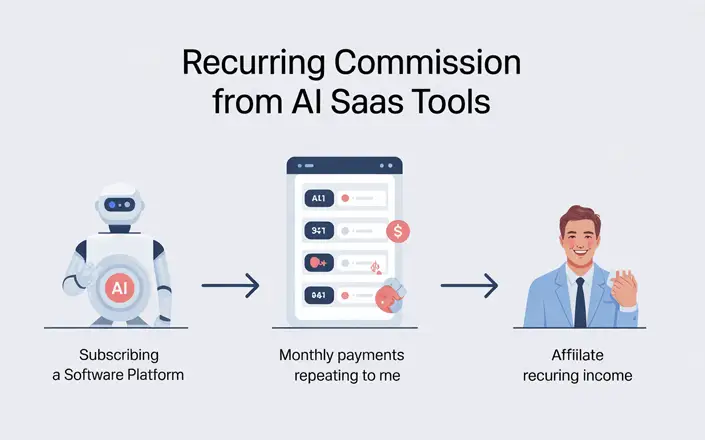
Traditional affiliate programs (think physical products or digital downloads) usually pay once. You promote, someone buys, you get paid, and that’s the end of the relationship.
AI SaaS flips that model completely.
With AI software, users pay monthly or annually. When you refer someone, you earn a percentage of every payment they make. This is why AI affiliate marketing has become so attractive to people who want predictable income instead of constantly chasing new traffic.
Recurring commission changes the math completely—one solid AI SaaS referral can pay you again and again without extra effort.
Here’s a realistic example:
Now imagine referring just 50 users over time. That’s roughly $750 per month and that income continues as long as those users stay subscribed. This is exactly how many creators build passive income with SaaS affiliate programs without selling their own products.
Affiliate networks like PartnerStack and FirstPromoter exist almost entirely to support SaaS companies offering recurring commissions, which tells you how mature this ecosystem has become.
Retention is the secret ingredient behind successful AI affiliate marketing. AI tools aren’t impulse purchases. They’re workflow tools.
People don’t cancel software that:
For example, once a small business owner integrates AI into email marketing or customer support, switching tools becomes costly and inconvenient. That’s why AI platforms often have lower churn rates than other SaaS categories.
From an affiliate’s perspective, this is ideal. You’re not just earning from clicks you’re earning from continued value. This is also why Tier-1 audiences are especially valuable. Businesses in the U.S., UK, Canada, and Australia tend to stick with tools longer and pay for higher-tier plans.
Harvard Business Review has repeatedly highlighted how AI tools increase operational efficiency, making them harder to replace once adopted.
Before diving into advanced strategies, it’s important to clearly understand how AI affiliate marketing actually works without technical jargon or marketing fluff.
At its core, AI affiliate marketing means promoting artificial intelligence software and earning a commission when someone signs up through your unique referral link.
You are not:
Your role is educational. You explain what the tool does, who it’s for, and how to use it effectively. This is why blogs like yours perform well people don’t just want links; they want guidance.
A typical example looks like this:
Platforms like Impact and ShareASale now host a growing number of AI SaaS programs, which shows how mainstream this model has become.
Most successful AI affiliates follow a simple funnel nothing complicated, nothing spammy.
Traffic Source → Educational Content → Affiliate Link → Subscription
For example:
This funnel works especially well for comparison articles and alternative posts such as Jasper AI alternatives or Midjourney alternatives where readers are already in decision-making mode.
What makes AI affiliate marketing unique is that the conversion doesn’t have to happen instantly. Many AI tools offer free trials, meaning your content continues working even weeks after the first visit.
One of the biggest mistakes people make in AI affiliate marketing is promoting tools just because they’re popular. Popular doesn’t always mean profitable especially long term. The real money comes from promoting AI software that solves specific, ongoing problems for clearly defined users.
Think like a consultant, not a marketer. People in their 30s, 40s, and 50s don’t want “cool tools.” They want solutions that save time, reduce stress, or increase revenue.
Before signing up for any affiliate program, ask one simple question:
“What painful, recurring problem does this tool solve?”
Some of the most profitable AI problems in 2026 include:
When you align your content with these problems, AI affiliate marketing becomes educational instead of sales-driven which is exactly what converts Tier-1 audiences.
This is also where how to promote AI software for monthly income becomes clear: you don’t sell features; you explain outcomes.
Rather than chasing one “magic” tool, smart affiliates build a portfolio of AI products across categories. This reduces risk and increases recurring commission stability.
Below are high-performing categories you can safely build content around:
AI Writing & Content Tools
These tools are ideal for long-form reviews and tutorials, especially when targeting AI tool reviews for affiliate marketers.
AI Image & Design Tools
Search interest around “alternatives” is extremely high here, making them perfect for comparison posts.
AI Video & Audio Tools
Video-focused AI tools often have higher price points, which means higher commissions.
AI Automation & Business Tools
These tools usually have the lowest churn because businesses integrate them deeply into operations excellent for AI affiliate marketing focused on long-term income.
Marketplaces like SaaS companies’ own partner pages and curated platforms such as G2 help you validate tool credibility before promoting them.
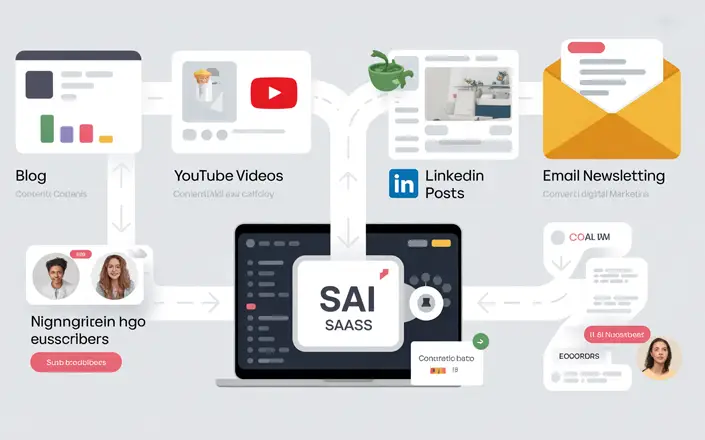
Once you’ve chosen the right tools, the next challenge is execution. Promotion doesn’t mean blasting links everywhere it means building trust systematically.
Here’s a step-by-step approach that works particularly well for bloggers targeting mature, decision-oriented readers.
If you don’t use the tool, don’t promote it.
People between 30 and 55 can spot shallow reviews instantly. They’ve been burned before. Authentic experience is what separates credible AI affiliate marketing content from generic affiliate spam.
Using the tool allows you to:
This alone can double your conversion rate.
This is where AI tool reviews for affiliate marketers shine.
A high-converting AI review should include:
Instead of saying “this tool is amazing,” explain why it makes sense for a specific role like a content manager, agency owner, or small business operator.
Long-form reviews work exceptionally well for AI affiliate marketing because AI tools require explanation, not impulse buying.
Comparison content is where purchase intent peaks.
Searches like:
These readers are already evaluating options. Your job is to guide them not push them.
This is where strategies for promoting Jasper AI or Midjourney alternatives become extremely powerful. You can:
Websites like Capterra confirm that comparison-based content strongly influences SaaS buying decisions.
Not all content formats perform equally. In AI affiliate marketing, certain formats consistently outperform others especially for audiences who value depth and clarity.
Your website already has the biggest advantage: search intent.
The most effective blog formats include:
This format works perfectly for building passive income with SaaS affiliate programs, because search traffic compounds over time.
Google’s own documentation emphasizes that helpful, experience-based content performs better long-term than thin reviews.
YouTube complements blog content beautifully.
You don’t need flashy production. Screen recordings with clear explanations are more than enough especially when showing:
Many readers prefer to see the tool before committing. Embedding your videos into blog posts also improves time-on-page and trust.
LinkedIn is underrated for AI affiliate marketing.
Why?
Sharing case studies or workflow breakdowns can quietly drive high-quality traffic without feeling promotional.
One of the biggest misconceptions about AI affiliate marketing is that more traffic automatically means more money. In reality, where your traffic comes from matters far more than how much you get.
For Tier-1 audiences especially in the U.S., UK, Canada, and Australia you’re targeting readers who research before they buy. They don’t click impulsively. They compare, read reviews, and look for credibility signals.
Search engine traffic remains the most reliable foundation for long-term AI affiliate marketing income.
The key is intent-driven SEO, not volume chasing.
Focus on:
Instead of trying to rank for “AI tools,” aim for:
These queries attract readers who are already evaluating solutions.
Publishing fewer but deeper articles works especially well for your audience. A 30–55-year-old business owner would rather read one solid guide than skim ten shallow posts.
According to Ahrefs, long-form content targeting specific intent consistently earns higher conversion rates than generic informational posts.
Email is where AI affiliate marketing quietly scales.
While search traffic introduces you, email builds the relationship.
Effective AI-related lead magnets include:
Once someone opts in, you’re no longer relying on algorithms. You can:
Email marketing platforms like ConvertKit and ActiveCampaign are popular among SaaS affiliates for a reason they integrate smoothly with content-driven funnels.
This approach is essential if you want to truly build passive income with SaaS affiliate programs instead of relying on one traffic source.

This is where AI affiliate marketing starts to feel less like “side hustle content” and more like an actual digital asset.
Relying on a single AI tool is risky. Pricing changes, competition increases, or the tool pivots.
A smarter approach is to build a portfolio of complementary tools:
Each serves a different audience segment but fits within the same ecosystem.
Over time, your blog becomes a reference hub not just a review site. That’s how you earn trust with older, more experienced readers.
Recurring commission is where patience pays off.
Let’s look at a conservative scenario:
That’s $600 per month and it grows as content ages and rankings improve.
This is why AI affiliate marketing is especially attractive for people in their 30s, 40s, and 50s. You’re not trading hours for dollars every day. You’re building something that compounds.
Subscription-based businesses are inherently sticky, and affiliates benefit directly from that stability.
Even though the opportunity is massive, many people still fail in AI affiliate marketing not because it doesn’t work, but because they approach it the wrong way.
If you don’t know who the tool is for, your content will feel generic. Mature audiences expect specificity.
Always define:
AI is powerful but it’s not magic.
Overpromising leads to:
Honest content converts better and retains users longer.
Tier-1 users are willing to pay but they expect value.
If a tool raises prices or changes features, update your content. This transparency strengthens credibility and supports long-term AI affiliate marketing success.
New tools launch daily. Most won’t survive.
Focus on:
This protects your time and your audience’s trust.
Once you understand the fundamentals of AI affiliate marketing, the next step is building a simple but reliable support system. You don’t need dozens of tools. In fact, most people overcomplicate this part and end up overwhelmed.
For a content-first affiliate model like yours, the goal is efficiency, not complexity.
Strong content still drives the best results in AI SaaS promotion. Tools that help with:
are essential if you want your articles to remain relevant for years.
Platforms like Ahrefs and SEMrush are widely used by professional bloggers and SaaS affiliates because they focus on buyer-intent keywords, not vanity metrics.
Email remains one of the most reliable channels for AI affiliate marketing, especially for promoting updates, new features, or alternative tools when something changes.
Look for platforms that offer:
Email is particularly effective for educating readers on how to promote AI software for monthly income without sounding salesy because you’re guiding, not pushing.
Tracking matters more than most people think.
Understanding:
allows you to refine your strategy over time. This is critical when your goal is to build passive income with SaaS affiliate programs, not just generate short-term clicks.
Many SaaS companies also provide built-in dashboards, so you don’t need advanced setups early on.
This is the part most blogs get wrong and where your site can stand out by being honest.
AI affiliate marketing is not a get-rich-quick model.
It is a compound growth model.
This is normal and expected.
This is where motivation often increases, because the system starts working without daily effort.
At this stage, AI affiliate marketing begins to feel less like a side hustle and more like a digital asset.
The key difference between people who succeed and those who quit is expectation management. Those who treat it like a business win. Those chasing shortcuts don’t.
The term “AI gold rush” gets thrown around a lot but the real opportunity isn’t in chasing trends. It’s in education.
AI tools are not slowing down. Businesses in Tier-1 countries are investing more not less into automation, productivity, and AI-driven workflows. That makes this one of the few affiliate models where long-term demand is almost guaranteed.
If you:
Then AI affiliate marketing becomes one of the most realistic ways to build sustainable online income in 2026 and beyond.
That’s the advantage blogs like MakeMonyOnline.com already have and why this model fits perfectly with an informative, step-by-step approach.